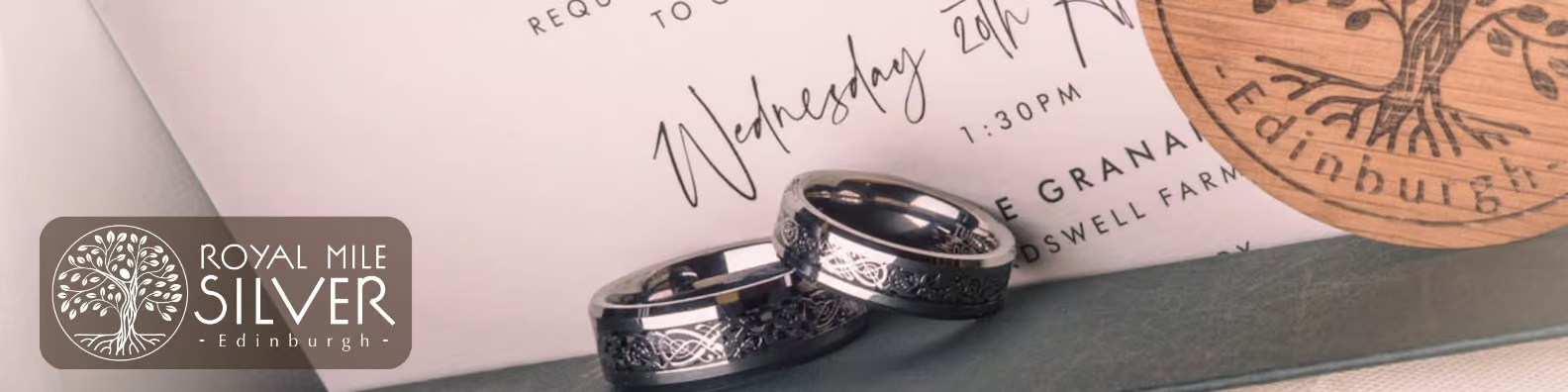
Of all our forms of adornment, wearing jewellery is the most universal. Only one type of jewellery transcends customs across cultures, religions and demographics – the wedding ring – and more recently men’s wedding rings.
What is the origin of Wedding Rings?
Many cultures believed the circle is the symbol of eternity. As the ancient Celts believed in the never-ending interconnectedness of all beings, symbolised by the Celtic Knot, the Ancient Egyptians and Romans honoured the lifelong commitment of marriage by wearing rings of woven reeds, hemp or bone. A sign of commitment and fidelity, wedding rings have been traditionally worn on the 4th finger of the left hand ever since – though men’s wedding rings have only been worn since the mid 20th century.
When did Men’s Wedding Rings become popular?
Soldiers started wearing men’s wedding rings during the Second World War, as a comforting reminder of their wives and families back home. The custom grew and Gold men’s wedding rings became more accessible and popular, along with Silver around the mid 20th century. Men’s wedding rings continue to evolve with daily life. Nowadays, modern comfortable and hard-wearing rings, such as our sleek and elegant tungsten and titanium collections are popular and durable men’s wedding rings.


From classic wedding rings to more adventurous alternative wedding bands…
Tungsten rings can be designed with a variety of impactful inlays, such as celtic designs, mammoth tooth, whisky barrel wood, meteorite, or stag antler and moss agate. Carefully crafted with hard-wearing tungsten and resin to provide a durable alternative.
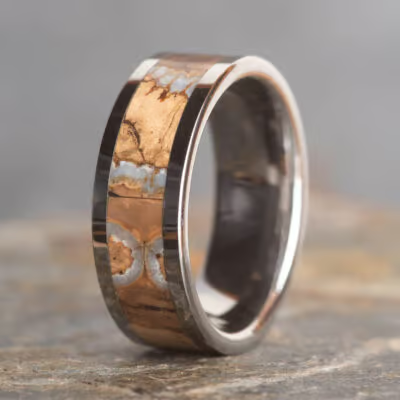
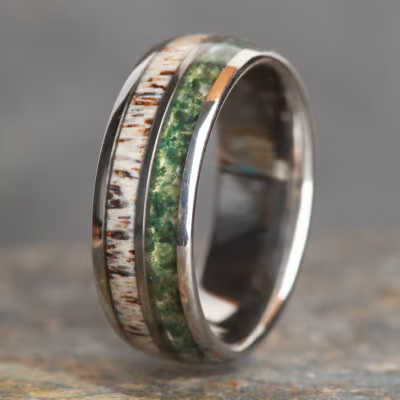
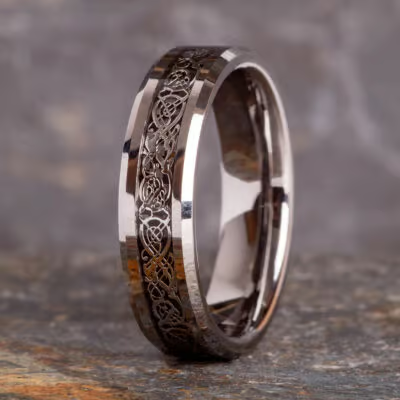
Many of our rings combine classic metals, such as gold, silver and rose gold with design details, and are available in a variety of widths, so that you and your partner can choose from 8mm, 6mm or 4mm to ensure rings can be matched if so desired but still comfortable if you prefer a different size and fit.
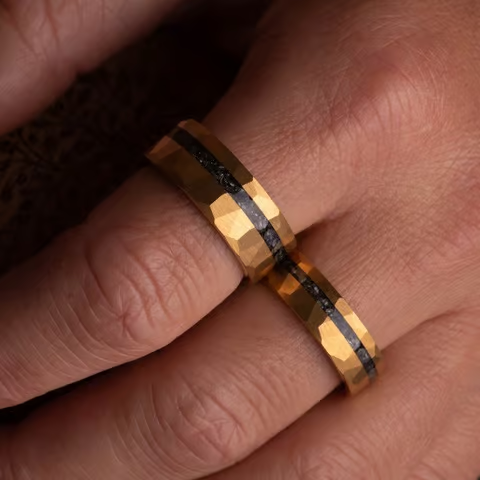
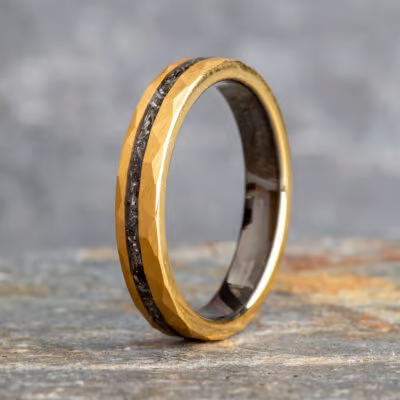
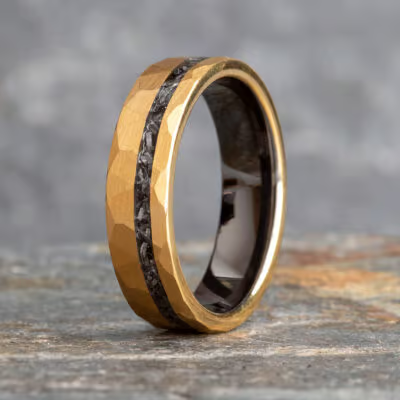
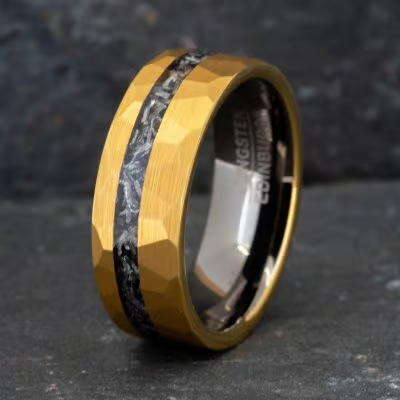
How to wear your Wedding Ring
Most countries and cultures wear wedding rings on the left hand. The 4th finger on the left hand was believed to be directly connected to the heart by a vein called the ‘Vena Amoris’ – Latin for Vein of Love.
There are exceptions – many Scandinavians, parts of Central and South America, Central and Eastern Europe wear wedding rings on the right hand. In China, couples wear their rings on opposing hands – this is said to balance the Yin and Yang energies, representing two complimentary forces joining together as one.
Whichever style and way you choose to wear your wedding rings, we hope they always remind you of joy, love and partnership.